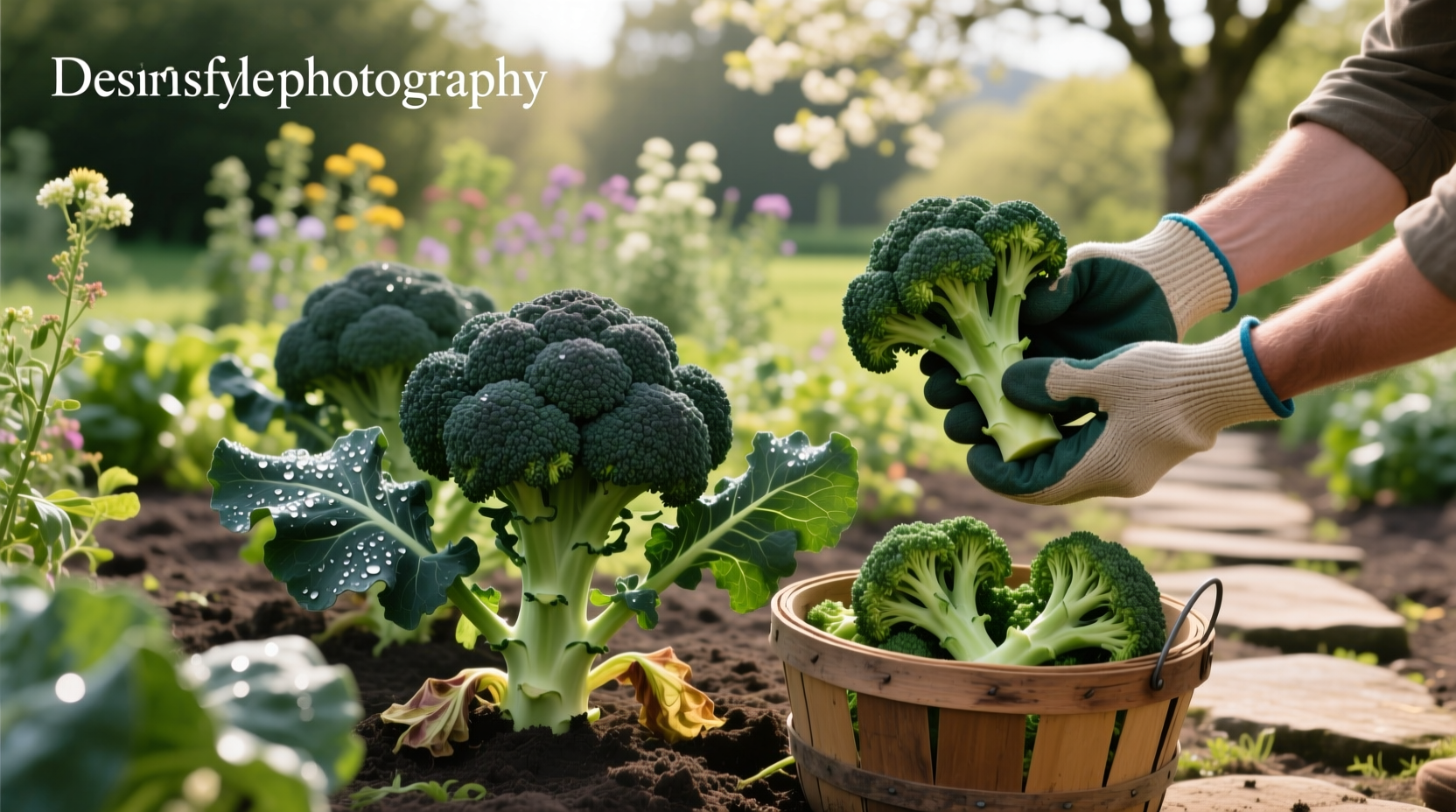
Unlock the Sweetness: The Secret to Harvesting Beautiful Broccoli
Broccoli, that vibrant green powerhouse of nutrition, is a beloved staple in countless kitchens and a popular choice for backyard gardeners. Revered for its tender florets and abundance of vitamins, it’s often lauded as one of the easiest crops for beginners. Yet, despite its forgiving nature, there's a delicate art to harvesting beautiful broccoli that can transform your culinary experience from merely good to absolutely sublime. Miss the optimal window, and you might find yourself with bitter, tough, or even flowering heads. But get it just right, and you'll be rewarded with crisp, sweet, and wonderfully flavorful stalks that will keep producing all season long. This guide will unveil the crucial nuances of timing and technique, ensuring you avoid the common pitfalls of premature or delayed harvesting. We’ll explore the signs of peak readiness, the environmental factors that influence growth, and the simple methods that guarantee a bountiful and delicious yield. Let’s dive into how you can consistently bring in the finest broccoli your garden has to offer.The Goldilocks Zone: Timing is Everything for Peak Flavor
Successfully growing broccoli is a fantastic accomplishment for any gardener, especially those new to the rewarding world of Brassicas. While crops like cauliflower or cabbage often demand meticulous care, broccoli is generally more laid-back. However, its "easy-going" reputation doesn't mean you can set it and forget it, particularly when it comes to harvest time. The key to unlocking its best flavor and texture lies in understanding its growth cycle and reacting to environmental cues. Broccoli thrives in cool, mild weather, preferring temperatures that avoid hard frosts on one end and excessive heat on the other. This makes it an ideal candidate for fall or winter planting in warmer climates, or an early spring crop where winters are severe. Generally, you can expect your broccoli to mature and be ready for harvest anywhere from 50 to 100 days after transplanting seedlings. This broad window emphasizes why daily observation becomes paramount as your plants approach maturity. Planting strategy plays a significant role here. In colder zones, starting seeds indoors a month or two before your last frost date and transplanting seedlings outdoors 2-4 weeks before that last frost can lead to a robust early spring crop. For gardeners in warm zones, the flexibility is greater; seedlings can be started outdoors or indoors during the cooler months, aiming for a winter through early spring harvest. The goal is always to get those transplants in the ground early enough to capitalize on the cool growing season. The "Goldilocks" analogy truly applies:- Harvest too soon: The heads will be small, underdeveloped, and you'll miss out on significant potential yield and full flavor development. They simply haven't had enough time to plump up.
- Harvest too late: This is where the dreaded bitterness creeps in. Delayed harvesting often leads to the broccoli "bolting" – a process where the tight florets loosen, the plant grows leggy, and small yellow flowers begin to appear. While edible, these flowered stalks are nowhere near as delicious as the unblemished, crisp florets, often acquiring a harsh, bitter taste.
Recognizing the Signs: What to Look For When Harvesting Beautiful Broccoli
As your broccoli plants approach the 50-day mark post-transplant, your garden walkthroughs should shift from casual enjoyment to focused inspection. Paying close attention to visual cues is your best defense against missing that optimal harvest window. So, what exactly should you be looking for?- Tight Florets: The primary indicator of readiness is a dense, compact head composed of small, tightly bunched green florets. These florets should be firm to the touch and uniform in color. This indicates the plant is at its peak, packed with vitamins like A and C, calcium, and that sought-after crisp texture.
- Vibrant Green Color: Healthy, ready-to-harvest broccoli boasts a deep, vibrant green hue. Any yellowing or discoloration is a strong signal that the plant is either stressed or beginning to bolt.
- Head Size: While size can vary by variety (some heirloom types naturally produce smaller main heads), a good rule of thumb is to harvest when the central head reaches 4-7 inches in diameter. Don't wait for it to become massive; often, larger heads indicate the plant is stressing and preparing to flower.
- Absence of Yellow Flowers: This is perhaps the most critical visual cue. You do not want to see yellow flowers! While pretty, their appearance signifies that the plant has started to bolt. Bolting is the plant's natural response to stress (often heat, dry soil, or maturity), where it shifts its energy from producing edible florets to producing seeds. Once flowering begins, the florets become loose, leggy, and their flavor rapidly deteriorates, often turning bitter and fibrous.
The Art of the Cut: Maximizing Your Yields
Once you've identified that perfect, ready-to-harvest head, the next step is the actual cutting. This isn't just about removing the main head; it's about setting your plant up for continued success and a sustained harvest of delicious side shoots.Here’s how to do it right:
- Choose the Right Tool: A sharp, clean pair of pruning shears or a sturdy knife is indispensable. This allows for a clean cut that minimizes damage to the plant and prevents disease. Dull tools can tear the stem, creating entry points for pathogens and stressing the plant.
- Locate the Cut Point: Identify the main stem supporting the central head. You want to cut the stem at an angle, about 5-6 inches below the broccoli head. This length of stem provides a handle for easy preparation and ensures you leave enough of the plant structure intact to encourage side shoot development. Some gardeners prefer to leave even more stem (up to 8-10 inches), but the critical part is leaving the lower leaves and any emerging side shoots undisturbed.
- Make a Clean, Angled Cut: Cutting at an angle helps shed water, reducing the risk of rot on the remaining stem. A swift, decisive cut is best.
- Encourage Side Shoots: This is the secret to a long and productive broccoli season! After harvesting the main head, your plant will redirect its energy to producing numerous smaller "side shoots" from the leaf axils below the main cut. These mini-broccoli heads, often called florets, are just as delicious and nutritious as the main head and can provide a continuous harvest for several weeks, sometimes even months, until a hard freeze or prolonged heat finally puts an end to production. Continue to monitor and harvest these side shoots regularly as they develop, keeping them tight and green.
