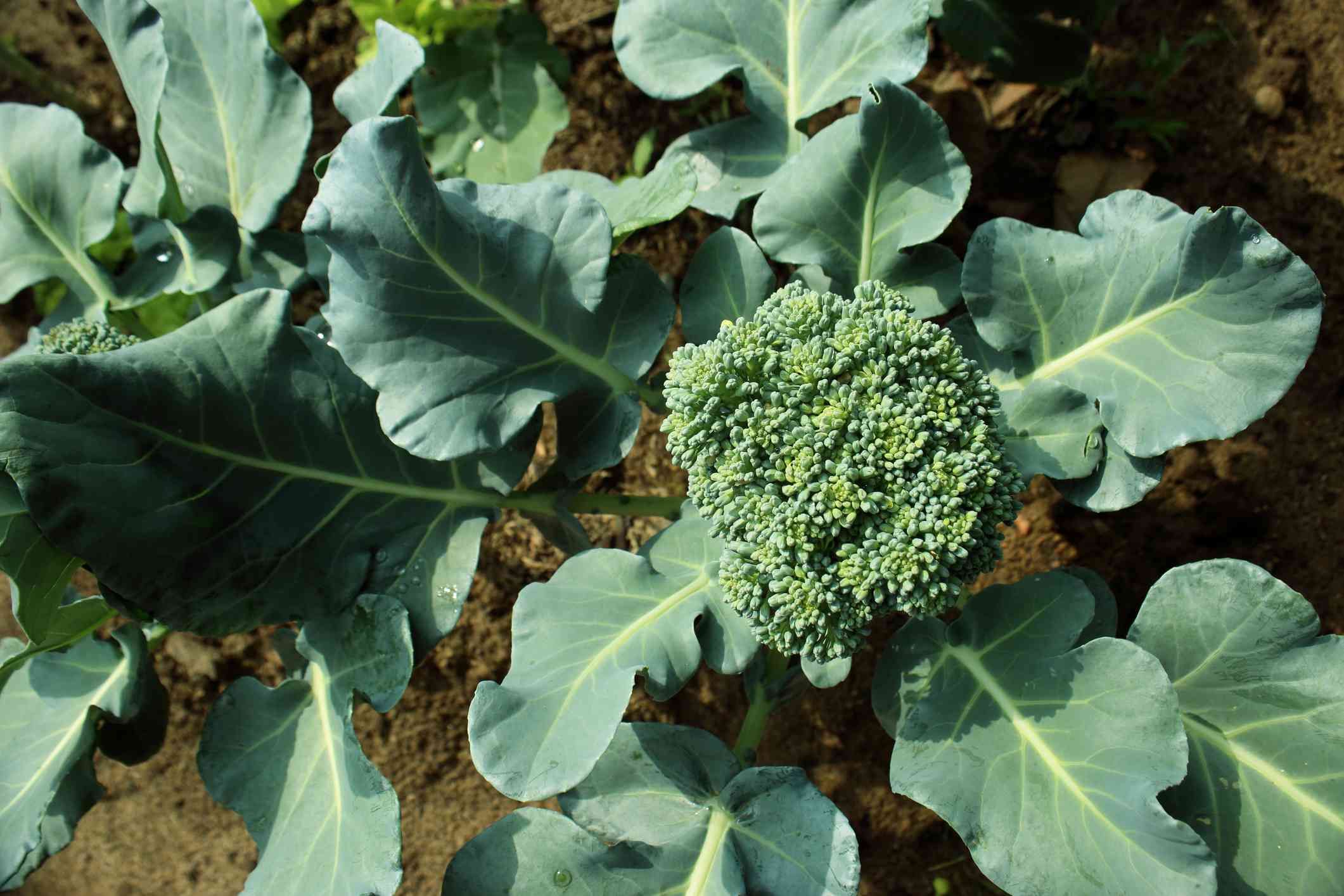
For home gardeners, few things are as rewarding as stepping out into your backyard and plucking fresh produce straight from the plant. Among the most satisfying crops to grow is broccoli, a nutrient-packed, versatile vegetable that adds a vibrant touch to any meal. However, the secret to truly enjoying homegrown broccoli isn't just about planting it; it's about mastering the art and science of harvesting beautiful broccoli at precisely the right moment. Think of it as a culinary Goldilocks tale: you don't want to pick it too early, nor do you want to wait too long. You want it just right.
Broccoli is an excellent choice for beginner gardeners. It ripens relatively quickly within the growing season and offers a gentle introduction to the Brassica family, which also includes more demanding relatives like cauliflower and cabbage. While broccoli is generally forgiving, there are crucial nuances to its harvest that can make the difference between a sparse, bitter disappointment and a crisp, flavorful bounty. Let's delve into how to achieve that perfect harvest.
The Goldilocks Dilemma: Why Timing is Everything
The quest for beautiful, tasty broccoli hinges entirely on timing. Pick your broccoli too soon, and you'll end up with heads that are underdeveloped, small, and overly dense. While still edible, they won't offer the full, robust flavor and generous yield you're hoping for. On the flip side, wait too long, and your precious broccoli heads will "bolt."
Understanding Bolting and its Impact
Bolting is a plant's response to stress, primarily warm weather or sudden temperature fluctuations. When broccoli bolts, the tightly bunched florets begin to separate, becoming leggy and sparse. Soon after, small, bright yellow flowers will emerge. While these flowers are technically edible, they are nowhere near as delicious or nutritious as the tender, pre-flowering florets. Furthermore, broccoli that has bolted often develops a bitter taste, making it far less appealing for your culinary creations. Imagine meticulously caring for your plants only to find them turn bitter and seedy right before harvest – a true gardener's heartbreak! To delve deeper into preventing this, you might find valuable insights in our related guide: Avoid Bitter Broccoli: Harvest Your Crop at the Optimal Time.
Harvesting at the optimal time ensures that your broccoli is bursting with essential vitamins and minerals, such as Vitamin A, Vitamin C, and calcium. The texture will be crisp and firm when raw, and once cooked, it will transform into a vibrant green, flavorful addition to your plate.
When to Harvest: Reading Your Broccoli's Cues
Determining the precise moment for harvesting beautiful broccoli involves a combination of calendar tracking, weather awareness, and keen visual observation. Most broccoli varieties mature between 50 and 100 days after transplanting seedlings into the garden. However, this is merely a guideline; your plants will tell you exactly when they're ready.
Ideal Growing Conditions and Planting Times
Broccoli thrives in cool, mild weather. It can tolerate light freezes but struggles with prolonged freezing temperatures and despises excessive heat. This makes it an ideal crop for:
- Cold Climates: Start seeds indoors a month or two before your last frost date, then transplant seedlings outdoors two to four weeks before the last frost. You'll typically harvest these plants in late spring or early summer.
- Mild Climates: You have the flexibility to plant in summer, fall, or winter for a continuous harvest from late fall through early spring.
In regions where winters consistently stay below freezing for weeks, broccoli may not survive the cold, making an early spring planting more suitable. Regardless of your climate, the goal is to ensure your plants mature during periods of gentle, consistent temperatures.
Visual Indicators of Readiness
As the 50-day mark approaches, it’s time to start daily garden walkthroughs. This proactive approach allows you to catch any issues before they become problems and ensures you don't miss the peak harvest window. Look for these key signs:
- Head Size: The main head should be firm and compact, typically 4-7 inches in diameter, depending on the variety. Don't wait for it to reach the massive size of store-bought broccoli, as those are often harvested just before bolting.
- Tight Florets: The individual flower buds (florets) should be tightly bunched together, forming a dense crown. If you start to see them loosen or individual buds begin to swell and show a yellowish tint, you're on the verge of bolting, and it's time to act quickly.
- Vibrant Green Color: The head should be a rich, uniform green. Any yellowing is a strong indicator that the plant is about to flower.
Warm spring weather, unexpected heat waves, or dry soils are common culprits that can trigger premature bolting. Regular checks are your best defense. For a more detailed guide on ideal timing, check out How and When to Harvest Broccoli for Peak Flavor & Yields.
The Right Tools and Technique for Harvesting Beautiful Broccoli
Once you’ve identified a head that’s perfectly ready for harvest, the method you use can significantly impact your subsequent yields. The goal is not just to cut the main head but to encourage the plant to produce smaller, yet equally delicious, side shoots for a prolonged harvest season.
Essential Tools
You'll need a sharp cutting tool. This could be a sturdy, clean pair of pruning shears, gardening snips, or a sharp knife. The emphasis here is on 'sharp' and 'clean.' A clean, sharp cut minimizes damage to the plant, reducing the risk of disease and promoting faster healing and new growth.
The Art of the Cut
When you're ready to harvest the main head:
- Locate the Main Stem: Identify the central stem supporting the primary broccoli head.
- Cut Below the Head: Make a clean cut through the main stem about 4-6 inches below the broccoli head. Cutting at an angle can help water shed off the wound, preventing rot. Ensure you leave plenty of stalk and leaves on the plant. These remaining leaves are vital for photosynthesis, which will power the development of your subsequent harvests.
Encouraging Continuous Harvest with Side Shoots
One of the most rewarding aspects of growing broccoli is the gift of secondary harvests. After you've cut the main head, the plant will redirect its energy into producing smaller, lateral shoots from the leaf axils along the stem. These side shoots, while smaller, are just as flavorful and can provide a continuous supply of fresh broccoli for several weeks, or even months, if conditions remain favorable.
Continue to monitor your plant regularly. As these side shoots develop to a usable size (often 2-4 inches), you can snip them off using the same clean, sharp cutting technique. This practice will keep your plant productive and extend your enjoyment of fresh, homegrown broccoli.
Care After Harvest and Beyond
After you've harvested your perfect broccoli heads, ensure they are stored correctly. Freshly picked broccoli can be refrigerated in a perforated plastic bag for up to a week. For longer storage, blanching and freezing is an excellent option.
Continue to water your broccoli plants consistently, especially during dry spells, and provide light fertilization to support the development of side shoots. Protecting your plants from pests and diseases will also ensure they remain vigorous and productive throughout their growing season.
In conclusion, harvesting beautiful broccoli is a highly gratifying experience that requires a keen eye and precise timing. By understanding the Goldilocks principle—not too early, not too late, but just right—you can avoid common pitfalls like bolting and bitterness, and instead enjoy a bountiful supply of crisp, flavorful, and incredibly nutritious broccoli from your own garden. Happy harvesting!
